

Beginner's guide to understanding the odds in gambling
What are Odds in Gambling?
Understanding the odds in gambling is essential for anyone looking to engage in this activity. Odds represent the likelihood of a particular outcome occurring in a game. They are typically expressed in different formats, such as fractional, decimal, or moneyline odds. Each format indicates the same thing: the probability of a specific outcome and how much a player can win if that outcome occurs. For those interested in a thrilling experience, Tower Rush offers an exciting take on odds and risk management.

For beginners, it’s crucial to grasp how these odds work, as they determine potential payouts. For example, in sports betting, if a team is given odds of 2/1, it means for every one unit you wager, you could win two units if that team wins. Learning to interpret these numbers is the first step toward making informed decisions when gambling.
Understanding Probability
Probability is the foundation of odds in gambling. It quantifies the chance that a specific event will happen, expressed as a percentage. For instance, if a coin toss has two outcomes—heads or tails—the probability of either outcome is 50%. This concept extends to games like roulette, where different outcomes have varying probabilities based on the game’s rules.
Grasping probability helps gamblers assess risks effectively. By understanding how likely or unlikely an event is to occur, players can make more strategic betting choices. This knowledge can lead to smarter bets, potentially increasing your chances of winning over time.
The House Edge Explained
The house edge is a crucial factor in understanding gambling odds. It refers to the advantage that the casino or bookmaker has over players. This percentage represents the average profit the house expects to make from every bet placed. For example, if a game has a house edge of 5%, it means that, on average, players will lose $5 for every $100 bet.
This concept is vital for beginners to comprehend, as it highlights that while players can win in the short term, the odds are generally skewed in favor of the house over the long term. By being aware of the house edge, players can make informed decisions about which games to play and how much to wager, thereby managing their bankroll effectively.
Types of Gambling Games and Their Odds
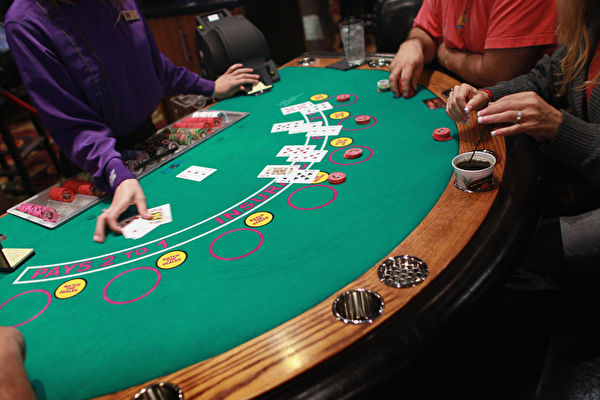
Different gambling games come with varying odds, which can significantly impact your strategy and potential payouts. For instance, games like slots typically have higher house edges, while table games like blackjack or poker offer better odds for players who employ optimal strategies. Understanding the odds for each game type is key to enhancing your overall gambling experience.
Additionally, sports betting has its unique set of odds that can fluctuate based on team performance, injuries, and other factors. Familiarizing yourself with the odds associated with different games will help you identify which games offer the best potential for profitable wagers.
Getting Started with Online Gambling
As a beginner, diving into online gambling can be exciting yet overwhelming. Many online platforms offer comprehensive guides, tutorials, and demo games to help you get familiar with various gambling types. It is advisable to start with games that have lower stakes until you gain confidence and understanding of how odds work.
Moreover, always ensure that you gamble responsibly by setting a budget and sticking to it. Many reputable online casinos provide tools to help you manage your gambling habits. Being informed about the odds and understanding how they affect your betting choices is essential for having a fun and sustainable gambling experience.