

The allure of risk and reward
The intrinsic allure of gambling lies in the fundamental human attraction to risk and reward. This psychological phenomenon is deeply rooted in our evolutionary history, where taking risks often led to greater rewards, such as food or safety. In modern contexts, this risk-taking behavior is transformed into games of chance, where the potential for significant monetary rewards creates an intoxicating thrill. Players frequently find themselves captivated by the prospect of life-changing jackpots, including the chance to experience the best nz online casino options available, generating excitement and anticipation that leads them to engage repeatedly in these activities. This pursuit of reward can often overshadow the very real risks involved in gambling.
Moreover, the brain’s reward system plays a crucial role in enhancing the gambling experience. When individuals win, the brain releases dopamine, a chemical associated with pleasure and satisfaction. This neurochemical response not only reinforces the behavior but also creates a feedback loop that encourages individuals to gamble more frequently, seeking that same euphoric feeling. The thrill of winning becomes addictive, leading some to develop a misguided belief that they can control the outcome of games of chance. This illusion of control can further fuel engagement in gambling behaviors, often leading players to chase losses or ignore the mounting financial consequences of their actions.
Furthermore, the interplay between risk and reward is influenced by cognitive biases, such as the illusion of control and the gambler’s fallacy. Gamblers often feel a sense of mastery or influence over random events, believing that their skills or strategies can improve their odds of winning. This perception can enhance their emotional investment in gambling, rendering them more likely to continue playing despite losses. Understanding these psychological underpinnings is vital to grasping why individuals are drawn to gambling, often despite the potential consequences that can arise from their actions.
The social dynamics of gambling
The social aspect of gambling is another significant driver behind why people participate in these activities. Gambling often serves as a social event, offering a shared experience among friends and family that enhances the fun and excitement of the activity. Whether it’s gathering at a physical location like a gaming venue or participating in online platforms, the social environment fosters camaraderie, which can be incredibly appealing. The shared thrill of potential wins or losses creates bonds among players, amplifying the enjoyment of the experience and contributing to the overall allure of gambling.
Additionally, social interactions during gambling can lead to a heightened sense of validation. Players often celebrate wins together, creating an atmosphere of shared joy that reinforces the desire to gamble in the future. This sense of belonging can be particularly enticing for those who may feel disconnected in other aspects of their lives. In contrast, losing can also forge connections as players comfort each other, making the experience more of a community event than an isolated activity. Such shared experiences can create lasting memories, further deepening the emotional ties individuals have with gambling.
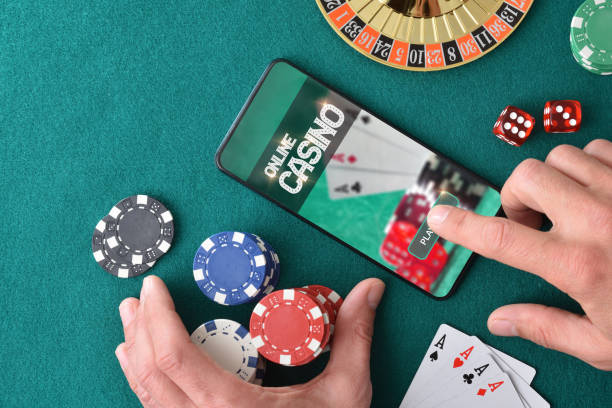
Moreover, peer influence cannot be overlooked in the context of gambling behavior. Individuals may feel pressured to participate based on societal norms or the behaviors of their social circles. The normalization of gambling, especially in urban environments or through media portrayals, can contribute to the perception that gambling is a socially acceptable and exciting pastime. This social dynamic not only promotes active participation but can also perpetuate gambling as a prevalent activity among various demographics, leading to an increase in the number of individuals engaging in these activities.
The role of emotions in gambling
Emotions play a pivotal role in the decision-making process surrounding gambling. For many individuals, gambling offers an escape from everyday stressors, functioning as a temporary respite from life’s challenges. The excitement and uncertainty associated with gambling create a rush that can be intoxicating, allowing individuals to experience a temporary high that distracts them from their everyday problems. This emotional escape is particularly appealing to those experiencing dissatisfaction or challenges in their personal or professional lives, making gambling a coveted outlet for coping with stress.
However, this emotional connection can also lead to problematic behaviors. As players seek to replicate the euphoric feelings derived from wins, they may ignore potential downsides, including financial losses and the deterioration of personal relationships. The thrill of winning can create an emotional dependency, where individuals continually chase the high of their last win, often leading to a vicious cycle of increased gambling. Ignoring the negative consequences of this behavior can exacerbate emotional distress rather than alleviate it, trapping individuals in a cycle of addiction.
Moreover, the psychological concept of “loss aversion” further illustrates the emotional complexity of gambling. Players often experience stronger emotions from losses than from equivalent wins, compelling them to continue gambling in an effort to recover lost funds. This behavior creates a dangerous loop where the gambler feels compelled to risk even more, believing that the next bet will turn their fortunes around. Understanding the emotional motivations behind gambling is crucial for addressing gambling addiction and promoting healthier choices among players. Recognizing these patterns can empower individuals to break free from the cycle of emotional gambling.
The impact of technological advancements in gambling
The rapid advancement of technology has significantly transformed the gambling landscape, altering how individuals engage with these activities. Online gambling platforms have revolutionized accessibility and convenience, allowing players to participate from the comfort of their homes. This convenience can lead to increased gambling frequency, as individuals are no longer bound by the geographical limitations of physical casinos. With just a few clicks, players can access a wide variety of games, further fueling their interest and involvement. This ease of access can blur the lines between casual play and compulsive gambling behaviors.

Additionally, the integration of advanced algorithms and artificial intelligence in online gaming has introduced new dynamics to gambling. These systems can personalize the gaming experience, presenting tailored promotions and recommendations based on a player’s behavior and preferences. Such targeted marketing strategies can increase engagement, often leading players to spend more time and money than they initially intended. As technology continues to evolve, the psychological effects of these advancements on gambling behavior remain a critical area of study, as they may perpetuate existing issues related to addiction and responsible gambling.
Moreover, the rise of social media has also influenced gambling behaviors, creating virtual spaces where individuals can share their experiences, successes, and failures. This sociability can enhance gambling’s allure, as players receive validation from their peers and feel more connected to the gambling community. However, this social visibility can amplify addiction risks, as individuals may feel pressured to maintain their image, often leading to more substantial financial losses. As gambling evolves with technology, so too does the psychological landscape that underpins why people choose to partake in these activities, necessitating a closer examination of the intersection between technology and gambling psychology.
The importance of responsible gambling
In light of the complex psychological factors that drive gambling behaviors, promoting responsible gambling practices becomes crucial. Awareness of the psychological aspects behind gambling can help individuals recognize the signs of problematic behavior and take proactive steps to mitigate risks. Education about the emotional and social dynamics at play can empower individuals to make informed choices and set limits on their gambling activities before they spiral into addiction. This proactive approach lays the groundwork for healthier gambling habits and reduces the likelihood of developing detrimental patterns.
Responsible gambling initiatives often emphasize the importance of self-awareness and moderation. Tools such as setting deposit limits, taking breaks, and understanding one’s emotions can foster healthier gambling habits. Additionally, support networks and counseling services can play a vital role in addressing compulsive gambling behaviors, providing individuals with the resources they need to manage their gambling responsibly. Encouraging open discussions about gambling’s psychological impacts can help destigmatize the topic and promote healthier attitudes, making it easier for individuals to seek help when needed.
Furthermore, as technology continues to shape the gambling experience, operators must prioritize responsible gambling measures. Implementing features that encourage responsible play, such as self-exclusion options, transparent advertising, and player education resources, can help create a safer gambling environment. By prioritizing player welfare, the gambling industry can contribute to a more sustainable future, mitigating the adverse psychological effects associated with excessive gambling. Ultimately, fostering a culture of responsibility is essential to ensuring that gambling remains a form of entertainment rather than a source of harm.